
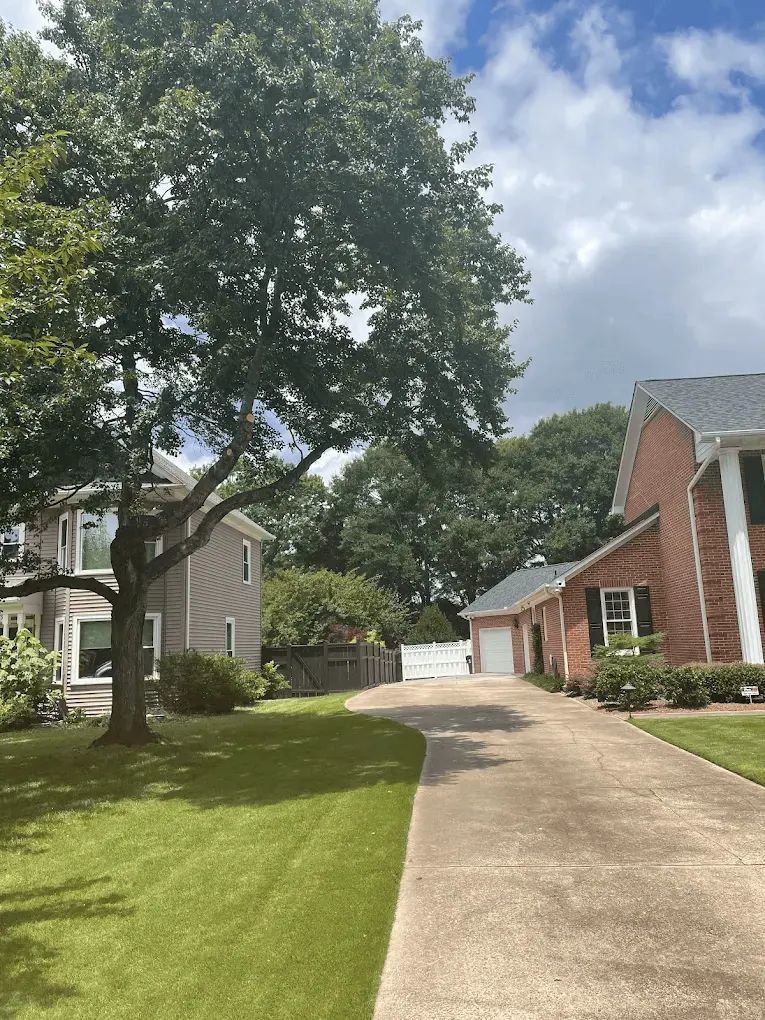
Spring wakes everything up fast in Upstate South Carolina. Trees leaf out, yards turn green again, and small tree problems get easier to miss. What looked fine in January can look very different by March or April.
That is why a spring tree care checklist helps. A quick look now can catch weak limbs, storm damage, and early signs of decline before they turn into bigger trouble. At DeVore’s Arbor Care, we spend a lot of time helping local homeowners spot those issues early and deal with them the right way.
Start With a Slow Walk Around the Yard
The first step is simple. Walk the property and look at each tree without rushing. Stand back, then move closer. A lot of problems show up once you take a second look.
This part does not need tools. It just takes time and attention. You are checking for changes, not trying to diagnose every tree on your own. A few visible signs can tell you a lot.
Look for dead limbs and broken branches
Winter weather can leave damage behind. A limb may crack and stay hung up in the canopy. Dead wood can stay in place for weeks, then fall during a spring storm. That is one of the first things to catch in any spring tree care checklist.
Check the trunk for splits or open wounds
The trunk tells a big part of the story. Long cracks, missing bark, and soft spots are worth a closer look. Some damage stays stable for a long time. Some damage gets worse once the tree starts pushing new growth.
Notice any lean that looks new
Not every leaning tree is a problem. Some have grown that way for years. A new lean is different, and it needs attention. Look at the ground near the base and check for lifted soil or exposed roots.
Clean Up the Base of Each Tree
A lot of spring tree care starts at ground level. Leaves, sticks, and storm debris collect around the trunk during winter. That mess can hold moisture and make it harder to see what is going on at the base.
A clean base gives you a better view. It helps you spot fungus, root flare problems, and bark damage. It makes the area easier to maintain through the rest of the season too.
Remove built-up debris around the trunk
Old leaves and broken branches should not stay packed around the base. That layer can trap moisture against the bark. It can hide pests and small signs of decay. Pulling that material back is a good early spring habit.
Check for fungus near the roots
Fungus near the base deserves a closer look. It can point to decay below the surface. One mushroom does not always mean the tree is failing. It does mean the tree should not be ignored.
Keep mulch away from the trunk
Mulch helps in the right place. Piled against the trunk, it does more harm than good. The base of the tree should stay visible. A clear root flare helps the tree breathe and makes problems easier to spot.
Prune the Right Things, Not Everything
A lot of homeowners get the urge to cut back trees in spring. That makes sense. The yard is waking up, and everything needs attention. Still, too much pruning or poor cuts can create new problems.
Good pruning has a purpose. It removes weak or dead growth and helps the tree carry weight better. Random cuts do not do that, and they can leave the tree stressed right as the growing season starts.
Start with dead, damaged, and rubbing limbs
These are the easiest limbs to identify and the most useful to remove. Dead wood does not help the tree. Broken limbs invite decay. Branches that rub each other can wear through bark and create wounds.
Do not over-thin the canopy
More cutting does not always mean better tree care. Taking too much out can leave a tree exposed and off balance. It can push weak regrowth in the wrong spots. A tree should still look like itself once the work is done.
Leave large pruning jobs to a professional
Big limbs change the structure of a tree. So do cuts high in the canopy. That kind of work needs a plan, not guesswork. DeVore’s Arbor Care handles that sort of pruning every season across Upstate South Carolina.
Pay Attention to Tree Health Early in the Season
Spring growth can make a tree look full again, but fresh leaves do not always mean good health. Some stressed trees leaf out late. Some push weak growth, then start dropping limbs once heat and storms arrive. Early signs matter.
This is where tree care in Upstate South Carolina gets more specific. Local weather, heavy rain, and storm pressure all play a role. A healthy tree handles that stress better than a tree that is already struggling.
Watch for thin leaf coverage
A full canopy should fill in at a steady pace. Thin areas can point to stress, root trouble, or decline. One sparse branch is not always a crisis. A patchy canopy across the tree deserves closer attention.
Look for dead tips and small bare sections
Twig dieback often shows up near branch ends. It can look minor at first. It still matters. Small dead sections can be one of the early signs that the tree is under strain.
Check for pests or unusual bark changes
Spring brings insect activity back. Holes in bark, sawdust near the trunk, and peeling sections can all point to trouble. A quick check now can keep you from missing the early stage of a larger issue.
Get Trees Ready for Spring Storms
Storm season is part of life in this area. Heavy rain and strong wind put a lot of pressure on weak trees. A spring checklist should always include storm prep, especially for trees near the house, driveway, or power lines.
This is one of the main reasons homeowners call DeVore’s Arbor Care in spring. They want to deal with hazards before weather forces the issue. That is the smart move.
Check large limbs over roofs and driveways
Overhanging limbs deserve extra attention. A weak branch over a roof can turn into a very expensive problem fast. The same goes for a driveway or walkway. Spring is a good time to reduce that risk.
Watch for weak branch unions
Some branches grow at poor angles and hold too much weight. Those attachment points are more likely to split. You can often spot them by their narrow shape or old cracking. They become a much bigger concern once storms start rolling through.
Look at trees near the edge of the property
Fence lines and property edges often get less attention. That does not make those trees less risky. A tree near the neighbor’s side, the street, or the back line can still create damage. It belongs on the same checklist as the trees in the front yard
Know When to Call DeVore’s Arbor Care
A homeowner can spot a lot from the ground. That is useful. It is not the same as a trained inspection. Some problems stay hidden until a certified arborist gets a closer look.
That is where local experience matters. DeVore’s Arbor Care is owner-operated, fully insured, and built around careful work and straight answers. Homeowners across Upstate South Carolina call us for pruning, removals, storm cleanup, and honest guidance on what a tree really needs.
Call for high limbs or large branch work
Height changes the risk right away. A tall pruning job is not the place for a ladder and a guess. Heavy limbs carry real weight, and they need careful planning. That is work for trained professionals.
Call for visible cracks, decay, or root problems
Some warning signs should not sit for weeks. Cracks in the trunk, fungus at the base, and shifting soil deserve prompt attention. Those are not problems to watch all season and hope for the best.
Call for peace of mind before storm season
A lot of homeowners just want a clear answer. That is reason enough to bring in a professional. A spring visit can tell you what is healthy, what needs work, and what needs to come down. That kind of clarity matters once storms pick up.
Get Your Trees Ready for Spring With a Local Arborist
A good spring tree care checklist does not have to be complicated. Walk the yard. Look closely. Clear debris. Watch for weak limbs, trunk damage, root issues, and signs of stress. Then take action before small problems turn into emergency calls.
DeVore’s Arbor Care helps homeowners across Upstate South Carolina handle that work with care and personal attention. If a tree on your property looks questionable this spring, call and request your free estimate. It is a simple step, and it can save you a lot of trouble later in the season.